
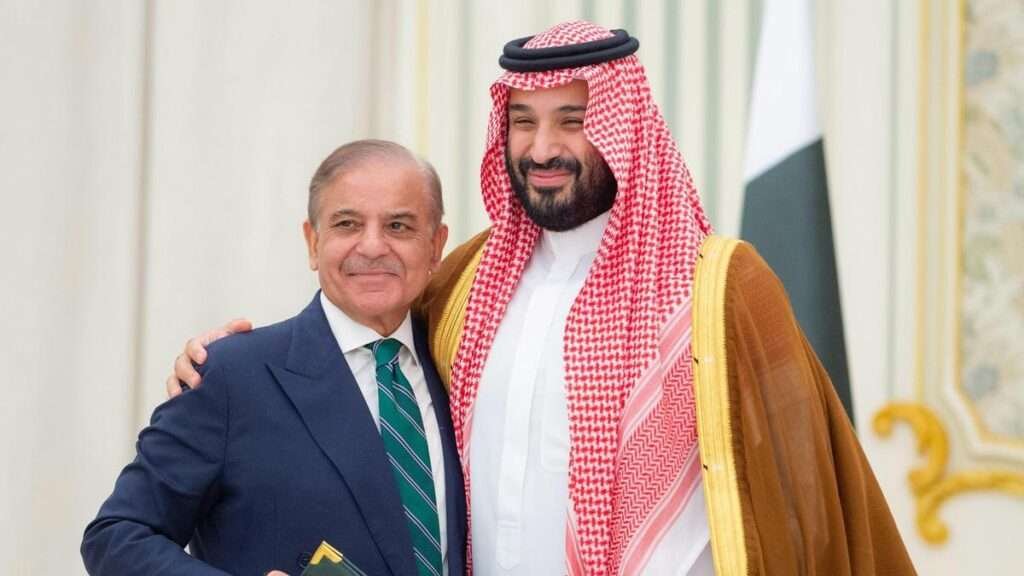
The Saudi-Pakistan Defense Pact 2025 is a significant turning point in the geopolitics of the region. Officially signed in Riyadh, this agreement highlights a closer strategic partnership between Saudi Arabia and Pakistan, which could have serious repercussions for India’s foreign policy and security strategies. Unlike previous collaborations, this pact establishes formal mutual defense commitments, setting the stage for a potential shift in the strategic balance in both South Asia and the Middle East.
India’s Strategic Impact
With the Saudi-Pakistan Defense Pact 2025, Indian policymakers are now faced with new challenges. India has enjoyed strong ties with Saudi Arabia, especially in areas like energy, trade, and investment. However, this new defense collaboration with Pakistan means India will need to rethink its approach to regional engagement.
Strategic planners in India must take into account how this pact could impact military balance, intelligence sharing, and long-term security in the region. For example, Pakistan’s nuclear and conventional military capabilities, now tied to Saudi security commitments, could change the dynamics of deterrence. As a result, India might have to enhance its diplomatic efforts in the Gulf while also ramping up its defense readiness.
Middle East Security Dynamics
The implications of this pact extend to the broader security landscape of the Middle East. Saudi Arabia is grappling with various regional threats, including tensions with Iran and the ongoing instability in Yemen. By aligning with Pakistan, Riyadh gains an extra layer of security, particularly in terms of manpower and technical support.
For India, grasping these dynamics is essential. The defense pact highlights the evolving nature of alliances in the Gulf, pushing India to engage proactively with both Saudi Arabia and other regional players. This engagement is vital to ensure that India’s interests are protected as security frameworks continue to evolve.
Regional Defense Cooperation
The Saudi-Pakistan Defense Pact 2025 goes beyond just bilateral relations; it highlights a growing trend in regional defense collaboration. We’re seeing more multilateral security arrangements shaping the dynamics in the Middle East and South Asia. For India, keeping an eye on these developments is crucial for anticipating potential challenges in military strategy, energy security, and trade routes. Indian defense planners can use this insight to bolster domestic capabilities, forge stronger strategic partnerships, and engage in regional security discussions without sacrificing national interests.
India-Saudi-Pakistan Relations
India’s diplomatic strategy now needs to strike a balance between its long-standing relationship with Saudi Arabia and the evolving ties with Saudi-Pakistan. While cooperation in trade, technology, and energy remains vital, the introduction of defense pacts adds a new layer of complexity. Military alignments could affect India’s access to essential resources and its influence in regional decision-making. By proactively engaging in confidence-building measures and maintaining open dialogue with both nations, India can work to ensure strategic stability while seizing economic opportunities.
India’s Ministry of External Affairs emphasized that the bilateral relationship with Saudi Arabia is founded on mutual interests and sensitivities, highlighting the importance of maintaining a wide-ranging strategic partnership. For more details, refer to The Times of India’s coverage on India’s reaction to the Saudi-Pakistan defense agreement.
Geopolitical Shift 2025
The Saudi-Pakistan Defense Pact 2025 marks a notable geopolitical shift in 2025. The emerging patterns of alliances suggest a reconfiguration of regional power dynamics. For India, this shift calls for a multi-faceted strategy that includes boosting defense readiness, enhancing diplomatic efforts in the Gulf, and diversifying global strategic partnerships. How well India adapts to this changing landscape will play a key role in establishing itself as a stabilizing force in South Asia and the wider Middle East.
Conclusion
The Saudi-Pakistan Defense Pact 2025 is more than a bilateral agreement; it is a signal of evolving Middle East security dynamics and regional defense cooperation. For India, understanding its strategic impact is crucial to safeguarding national interests, maintaining diplomatic balance, and preparing for future geopolitical shifts. Proactive engagement and strategic foresight will ensure that India continues to assert influence in a rapidly changing regional environment.