

The scaffolding industry is experiencing a whirlwind of change. As we look ahead to 2025, the latest Scaffolding Trends 2025 highlight a significant move towards technology, sustainability, and safety. With innovations ranging from modular systems to IoT-enabled solutions, these trends are revolutionizing the way scaffolds are designed, installed, and inspected. Here are the key developments that every contractor, supplier, and project manager should keep on their radar.
Scaffolding Market Growth in 2025
The global scaffolding market is expected to hit a whopping USD 98 billion by 2030.
- This growth is fueled by urbanization, infrastructure expansion, and tighter regulations.
- The Asia-Pacific region is leading the charge, thanks to massive projects in India and China.
- Meanwhile, Europe and North America are prioritizing safety and eco-friendly solutions.
For reliable scaffolding services in Pune, Creador Innovations provides turnkey solutions that align with modern industry needs.
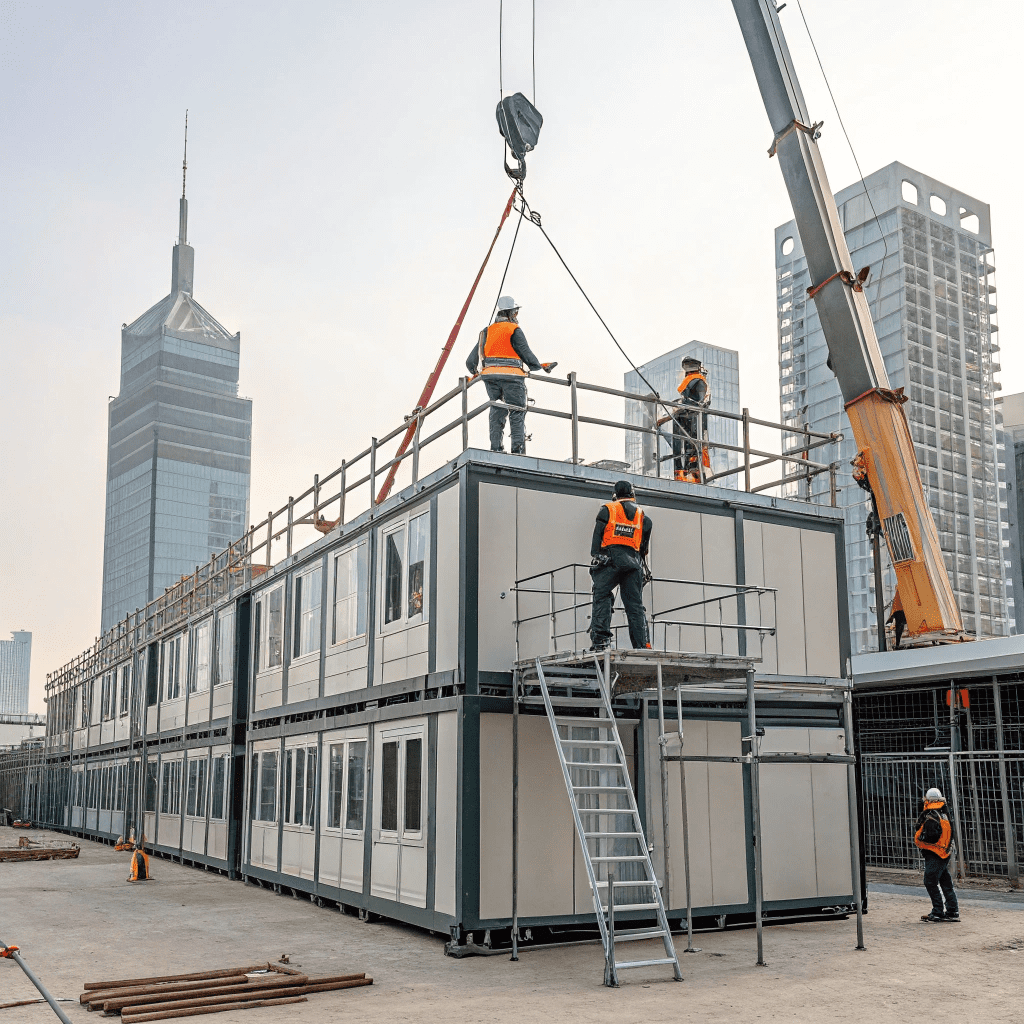
Modular and Prefabricated Scaffolding Systems
- These systems allow for quick setup and takedown, saving both time and labor costs.
- They offer highly customizable designs, perfect for complex structures like bridges and façades.
- With off-site prefabrication, quality control is significantly enhanced.
- This approach minimizes project delays and boosts worker safety.
Smart Scaffolding with IoT and AI
- IoT sensors monitor load, vibrations, and weather conditions in real time.
- AI tools can identify missing braces, weak joints, or unsafe practices.
- This technology enables predictive maintenance and proactive safety measures.
- Ultimately, it enhances decision-making and reduces the chances of human error.
Sustainability in Scaffolding Materials
- Shift towards recyclable aluminum and high-strength steel.
- Modular systems are helping to cut down on waste and material use.
- Green manufacturing processes are being adopted for more eco-friendly results.
- Some scaffolds even come with solar panels to power tools and lighting.

Safety Regulations and Compliance Updates
- Governments are tightening the rules on load-bearing, guardrails, and locks.
- Mandatory training and certification is filling the skills gap in the workforce.
- Safety compliance is now a key factor in getting project approvals.
- The focus is on reducing workplace accidents and building trust.
Digital Tools: BIM and 3D Modelling in Scaffolding
- BIM integration makes it possible to design scaffolds and plan materials virtually.
- 3D modeling helps teams visualize scaffold structures in complex projects.
- This approach helps avoid costly mistakes before construction kicks off.
- It also promotes better coordination among team members and boosts project efficiency.
Use of Drones and Robotics in Scaffold Inspection
- Drones are taking on high-risk inspections quickly and safely.
- They provide real-time images and videos to spot defects.
- Robotics are being tested for automating the assembly and dismantling process.
- This technology enhances safety by minimizing direct worker exposure.
Lightweight and High-Strength Scaffold Materials
- Introduction of lightweight alloys and hybrid materials.
- Easier to handle, which helps reduce worker fatigue.
- Long-span beams reduce the need for supports, speeding up construction.
- Balance between portability, safety, and durability.
Scaffolding Rental vs Ownership Trends
- The demand for rentals is on the rise due to flexibility and lower upfront costs.
- Rentals cut down on storage and maintenance expenses.
- Larger contractors who use scaffolding frequently still benefit from ownership.
- Business models are shifting toward on-demand access.
Future Challenges in the Scaffolding Industry
- High initial investment for smart and modular systems is a hurdle in developing regions.
- Persistent shortage of skilled labor in advanced scaffolding techniques.
- Rising material costs and supply chain issues complicate matters.
- To thrive, companies must focus on training, adopting technology, and sustainability.
Conclusion
The scaffolding industry is heading towards a future that’s all about innovation, sustainability, and technology. With advancements like modular systems and IoT-enabled smart scaffolds, we’re adapting to the challenges of modern construction. By keeping up with these Scaffolding Trends 2025, contractors and suppliers can remain competitive while ensuring safety, efficiency, and compliance. For detailed insights on the scaffolding market in India, check out this India Construction Scaffolding Market Report.