
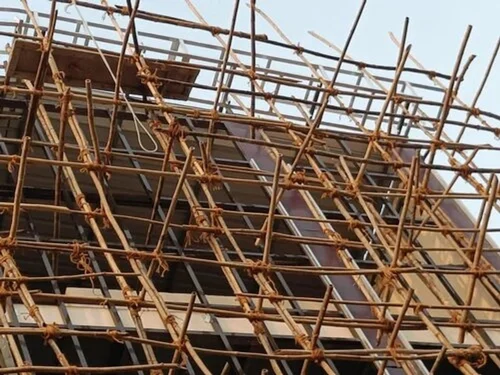
The construction industry in India is undergoing a significant transformation towards sustainability. Eco-Friendly Scaffolding is at the heart of this movement, At Creador Innovation, we specialize in sustainable scaffolding solutions designed for safety, efficiency, and a greener tomorrow. Providing environmentally responsible solutions that don’t skimp on safety or efficiency. As urbanization speeds up, embracing sustainable scaffolding isn’t just a choice anymore it’s essential for a greener future.
Green Construction in India
India’s construction sector ranks among the largest in the world, making a notable contribution to carbon emissions. By adopting green construction practices, including eco-friendly scaffolding, we can lessen our environmental impact through the use of renewable, recyclable, and less energy-intensive materials and methods. Implementing sustainable scaffolding practices leads to reduced waste, lower emissions, and enhanced safety on construction sites.
Environmentally ECO Friendly Scaffolding Materials
While traditional steel scaffolding is strong, it’s also energy-intensive to produce and challenging to recycle. Thankfully, modern alternatives like bamboo, aluminum, and composite scaffolding provide lightweight, durable, and recyclable options.
- Bamboo scaffolding is plentiful in India, renewable, and requires minimal processing.
- Aluminum scaffolding is resistant to corrosion, reusable, and helps lower the overall carbon footprint of construction projects.
Benefits of Eco-Friendly Scaffolding
Choosing eco-friendly scaffolding comes with a host of advantages:
- Reduced Environmental Impact: Sustainable materials and modular designs help cut down on waste and carbon emissions.
- Cost-Effective in the Long Run: Lightweight and reusable scaffolding can lower labor and transportation costs.
- Enhanced Safety: Today’s eco-friendly scaffolds are designed for greater stability and ergonomics, which helps reduce accidents on site.
- Regulatory Compliance: Utilizing sustainable scaffolding aligns with India’s green building certifications, such as IGBC and GRIHA.
Bamboo and Aluminium Scaffolding Alternatives
Bamboo scaffolding, a time-honored practice in India, is making a comeback thanks to its eco-friendly qualities. When treated properly, bamboo boasts impressive tensile strength and flexibility, making it a great choice for intricate construction projects.
On the other hand, aluminium scaffolding shines in high-rise buildings due to its durability, lightweight design, and straightforward assembly. Both options show that scaffolding can be practical, safe, and scalable for sustainable construction endeavors.
Scaffolding for Sustainable Construction Projects
Incorporating eco-friendly scaffolding into sustainable construction projects is key to following green building principles. Modular scaffolds help minimize waste on-site, are easy to reuse, and can adapt to various architectural styles.
Developers who prioritize environmentally responsible projects enjoy lower lifecycle costs and a boost in their brand reputation.
Future of Green Building in India
The future of construction in India is undeniably green. With growing government incentives, heightened awareness, and stricter environmental regulations, eco-friendly scaffolding is set to become the norm in the industry.
Cutting-edge materials, better recycling practices, and tech-driven scaffold management will drive the advancement of sustainable construction in India.
Conclusion
Eco-Friendly Scaffolding isn’t just a passing trend; it’s the foundation of a sustainable construction revolution in India. By utilizing renewable materials like bamboo and aluminium and embracing innovative scaffolding solutions, builders can create safer, greener, and more cost-effective construction projects.
Investing in sustainable scaffolding today paves the way for a cleaner, healthier India for generations to come.
For more information on sustainable materials and government initiatives supporting eco-friendly construction, visit the National Bamboo Mission.