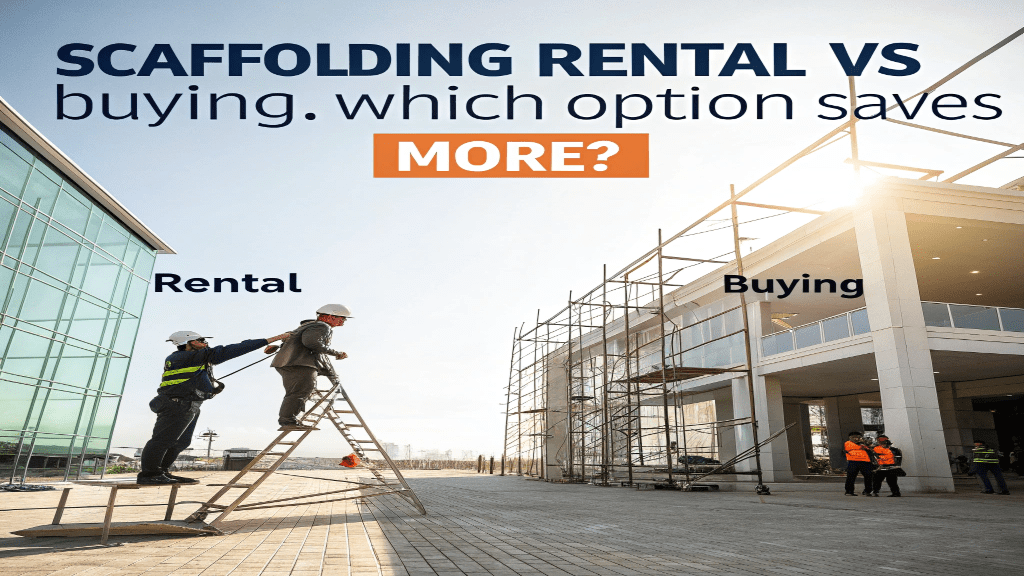
When it comes to construction, renovation, and large-scale maintenance projects, scaffolding and Scaffolding Rental is a must-have. The age-old debate of whether to rent or buy scaffolding is more relevant than ever in 2025, as costs, safety standards, and project demands continue to change. Contractors, builders, and companies are faced with a crucial choice: should they invest in permanent scaffolding or stick with rentals? This comprehensive guide dives into the financial, operational, and practical aspects to help you make the best decision.
Contractors, builders, and companies are faced with a crucial choice: should they invest in permanent scaffolding or stick with rentals? At Creador Innovations, we help businesses explore both options with tailored solutions.
Benefits of Renting Scaffolding
- Flexibility for short-term projects – You won’t have to worry about storing, insuring, or maintaining the equipment.
- Pay only for what you need – Adjust the equipment based on the size of your project.
- Access to the latest systems – Rental companies keep their inventory fresh with modern, compliant scaffolding.
- Lower liability risks – The provider takes care of safety checks.
- No depreciation worries – Once your project wraps up, just return the scaffolding.
Advantages of Buying Scaffolding
- Long-term cost savings – Perfect for companies with ongoing projects.
- Always available – You won’t rely on third-party rentals.
- Full control – You decide how to store, transport, and maintain your scaffolding.
- Customizable & brandable – Tailor the systems to fit your team’s needs and showcase your company’s branding.
- Higher productivity – Consistent systems mean less setup time and improved efficiency.
Scaffolding Rental Costs vs Purchase Costs
Rental Costs
- Charged daily, weekly, or monthly.
- Additional fees for delivery, setup, and dismantling.
- Cost-effective for short projects (like 2 weeks).
- Can get pricey for frequent, long-term use.
Purchase Costs
- Higher upfront investment.
- No ongoing rental bills.
- Can pay for itself in 3–5 years with regular use.
- Extra costs for inspection, repair, and insurance.
👉 In summary: Renting is better for short or irregular projects, while buying is the way to go for steady, ongoing work.
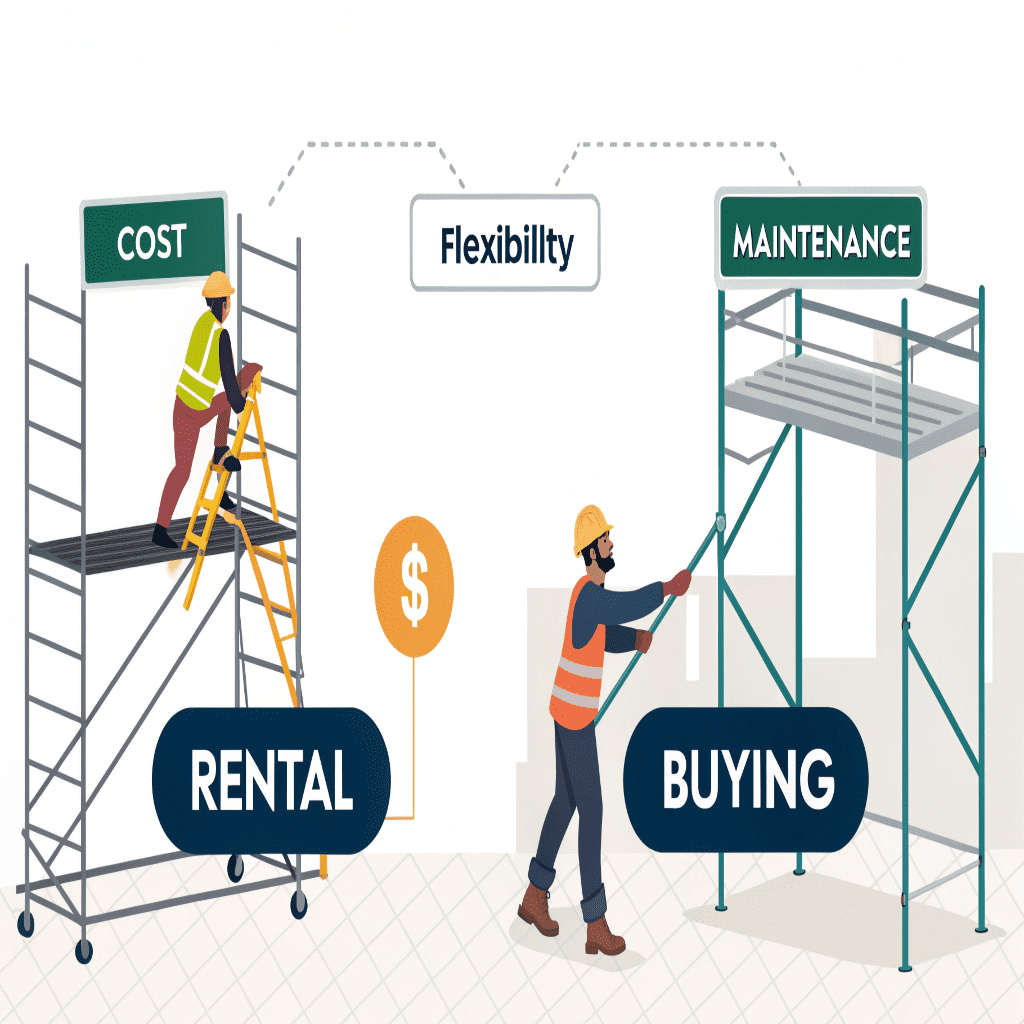
Short-Term vs Long-Term Scaffolding Needs
Short-Term Needs
- Renting is a great way to save money and sidestep storage headaches.
- You can quickly adjust equipment to fit the size of your project.
Long-Term Needs
- Buying guarantees you’ll have access to equipment whenever you need it.
- It helps you avoid any scheduling conflicts with rental companies.
- Over time, it’s more cost-effective for projects you tackle frequently.
Maintenance & Storage Considerations
Rental
- The provider takes care of safety checks and compliance for you.
- You won’t have to worry about finding storage space.
- There are no maintenance duties on your end.
Buying
- You’ll need to set aside space for storage.
- Regular inspections and certifications will be part of the deal.
- Poor storage can shorten the lifespan and safety of your equipment.
👉 If storage and maintenance are a hassle, renting is definitely the safer bet.
Rental providers also ensure compliance with industry regulations, following strict OSHA scaffolding safety standards to keep projects safe and reliable.
Final Thoughts: Which Option Saves More? Scaffolding Rental Or Buying
There’s no one-size-fits-all answer here. For small to mid-sized contractors who take on occasional projects, renting scaffolding is often the most cost-effective, flexible, and worry-free choice. On the other hand, larger companies with a steady stream of work might find that buying scaffolding builds long-term equity, ensures availability, and cuts out those pesky recurring rental fees.
The trick is to align your choice with how often you’ll need the equipment, your budget, and your operational capacity. Instead of seeing renting and buying as opposites, many businesses find a sweet spot by purchasing a basic system and renting specialized structures as needed. This hybrid approach strikes a balance between cost and flexibility while keeping safety compliance in check.